Low MOQ & Multi-SKU Consolidation: Empowering SME Auto Parts Traders with Flexible Sourcing Solutions
Category: Supply Chain Strategy & SME Trade Operations • Key Focus: High-Variety Low-Volume (HVLW), LCL Hub Operations, Working Capital Optimization
Executive Summary
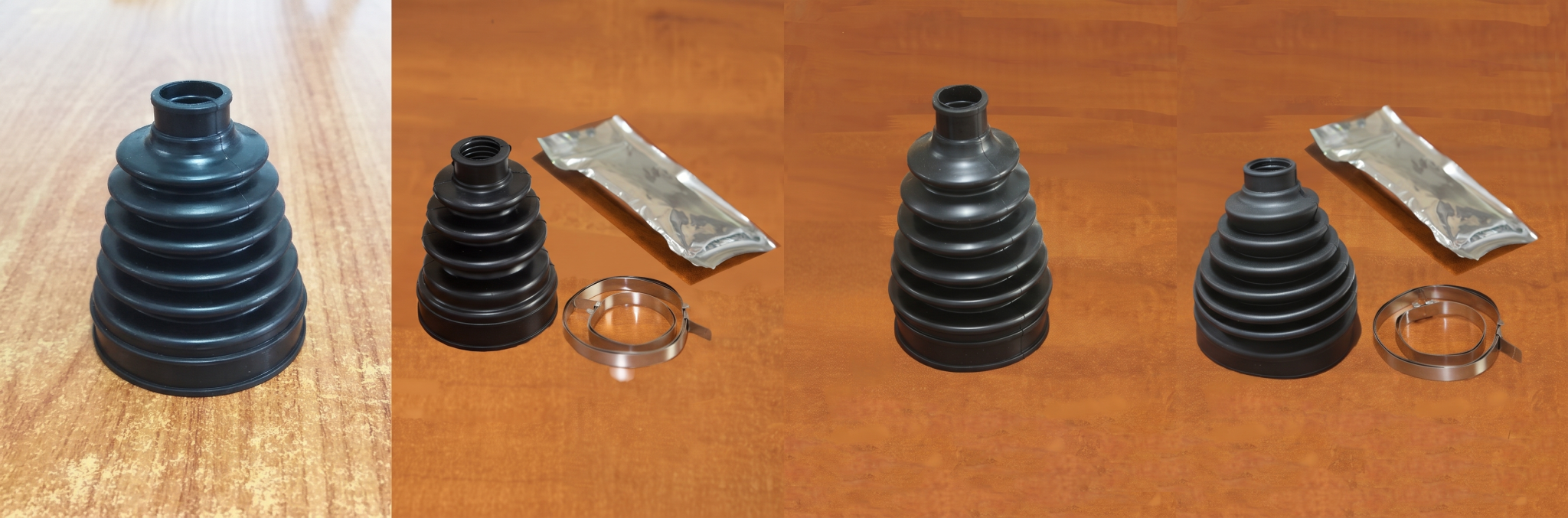
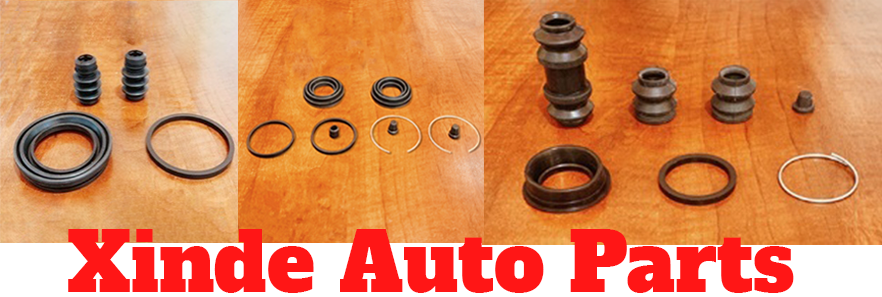
For small and mid-sized automotive aftermarket traders (SMEs), traditional high-volume manufacturing models present a structural bottleneck. Demands for rigid Minimum Order Quantities (MOQ) and full-container load (FCL) commitments can immobilize working capital. Drawing from academic supply chain models on High-Variety, Low-Volume (HVLW) distribution (published in International Journal of Physical Distribution & Logistics Management), this whitepaper examines how a centralized warehouse consolidation model allows SME traders to aggregate diverse replacement components—ranging from caliper pin kits to CV joint boots—into efficient, flexible LCL shipments without holding bloated inventory.
1. Overcoming the High-Variety, Low-Volume (HVLW) Dilemma
The aftermarket automotive sector is characterized by a classic "long-tail" demand curve: independent repair workshops require dozens of distinct part numbers every week, but only a few units of each:
- The Trap of Direct Factory Sourcing: Primary manufacturing plants specialize in mass-production runs of single product categories, often enforcing MOQs of 1,000 to 5,000 pieces per SKU. For a growing trader supplying regional garages, buying direct locks up cash flow across stagnant stock.
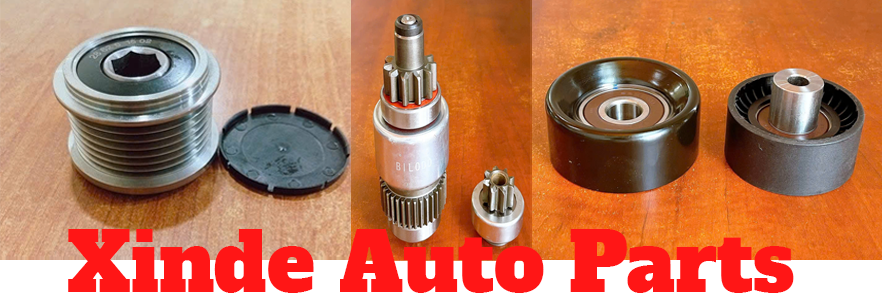
- The Multi-SKU Requirement: A single vehicle service bay frequently requires an assortment of components—such as an Alternator Pulley (OAP), a Brake Caliper Seal Kit, a pair of Steering Gear Boots, and Control Arm Bushings. Fulfilling this order requires sourcing from multiple specialized production cells.
- The Trader's Strategic Advantage: Operating as an agile intermediary, a specialized trading hub pools small orders across multiple specialist workshops and factories, bridging the gap between factory batch limits and regional market demand.
2. Centralized Hub Operations: From Factory Floor to Palletized LCL
Managing small-batch orders successfully relies on structured warehouse consolidation and rigorous break-bulk handling protocols:
The Consolidated Trading Hub Workflow:
- Cellular Sourcing: Collecting small-batch production lots from vetted regional specialists (vulcanization shops for rubber boots, CNC grinding cells for caliper pistons and pins).
- Incoming Quality Control (IQC): Inspecting dimensions, surface treatments, and packaging integrity prior to warehouse binning.
- Palletization & Break-Bulk Rigging: Assembling mixed-SKU orders onto sturdy export-grade wooden pallets, wrapping with reinforced film, and applying clear barcoding to prevent transit loss.
3. Capital Velocity and Risk Mitigation for SME Importers
Adopting a flexible, low-MOQ consolidation model fundamentally transforms financial performance for regional distributors:
- Accelerated Inventory Turnover: By ordering smaller quantities more frequently, traders keep warehouses lean, avoiding dead-stock obsolescence across slow-moving vehicle applications.
- Preserving Cash Flow: Capital is conserved and reinvested into expanding catalog breadth rather than tying up funds in massive single-item inventory buffers.
- Streamlined Logistics Documentation: Consolidating 50 disparate part numbers into a single master bill of lading drastically cuts customs clearance fees, brokerage paperwork, and administrative overhead.
Strategic Conclusion: Agility Over Scale in Modern Aftermarket Trade
In an unpredictable global trade environment, agility supersedes sheer corporate scale. For SME auto parts traders, partnering with an experienced consolidation hub that champions low MOQs and mixed-SKU palletization provides the competitive edge needed to outmaneuver rigid competitors and service local repair networks with unmatched speed.