
Hotline
+86 19012975585
Hotline
+86 19012975585


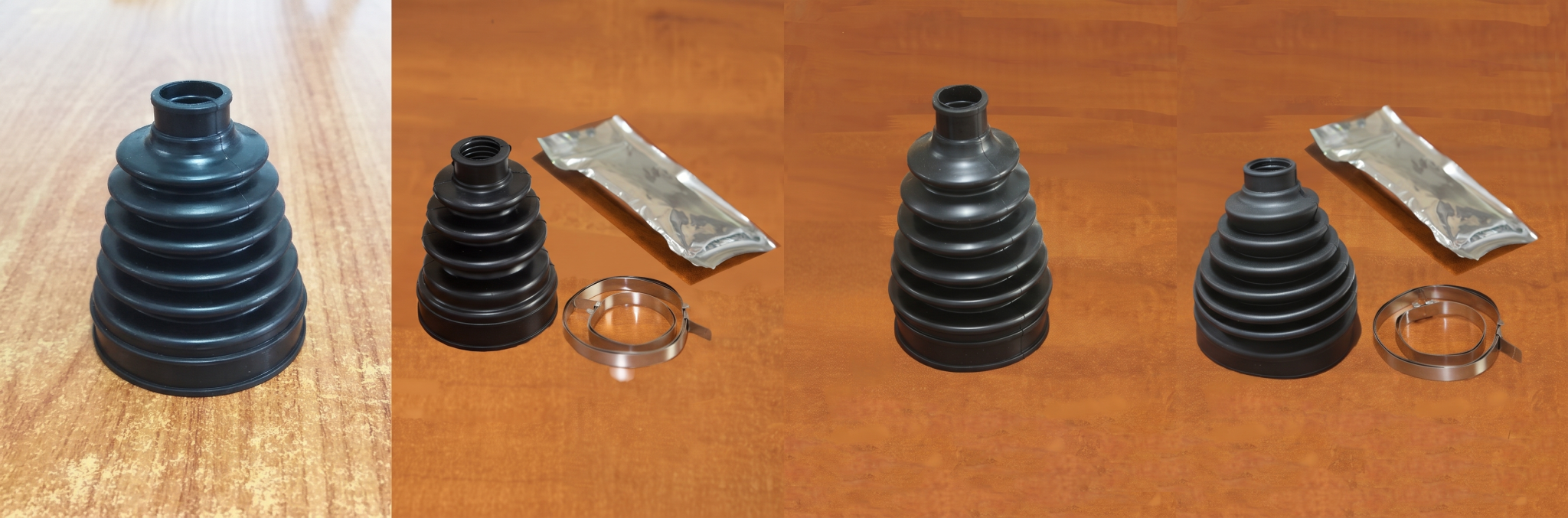
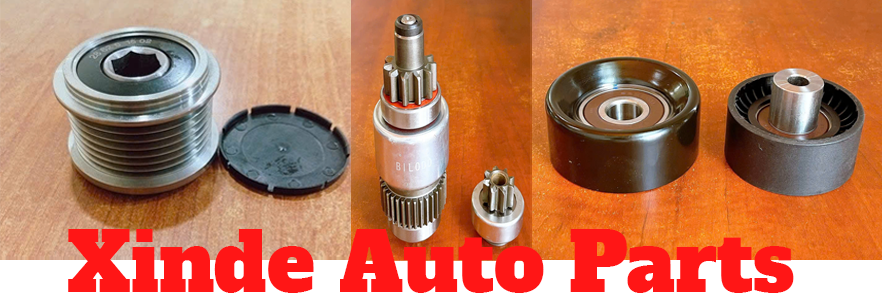

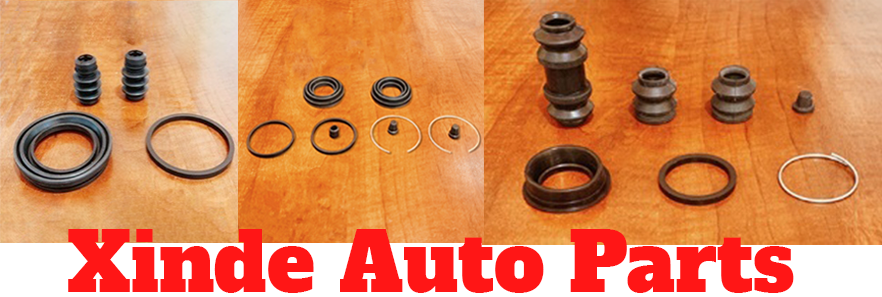

The global automotive sector is undergoing an aggressive lightweighting and performance-refinement transition. Traditionally, braking hydraulics and chassis boots relied almost exclusively on forged steel and sulfur-cured natural/chloroprene rubbers. However, authoritative material engineering publications in top-tier (Q1) journals (such as Composites Part B: Engineering and Materials & Design) highlight a decisive shift toward high-performance composite polymers. Transitioning to Phenolic Caliper Pistons and Thermoplastic Elastomers (TPE) effectively resolves the persistent vulnerabilities of metal corrosion, thermal brake fluid boiling, and premature environmental cracking.
During heavy braking cycles, friction at the brake pad interface generates localized temperatures exceeding 500°C. How this thermal energy propagates into the hydraulic fluid determines braking safety:
In steering and driveline protection (CV Joint Boots and Steering Gear Boots), engineered Thermoplastic Elastomers (TPE/Hytrel) are rapidly displacing traditional rubber compounds:
| Material Property | Conventional Rubber (CR) | Engineered TPE / Hytrel |
|---|---|---|
| Tensile Strength | 12 – 15 MPa | 28 – 35 MPa (2x Superior) |
| Tear & Puncture Resistance | Moderate (Vulnerable to flying gravel) | Extremely High (Stone-chip immune) |
| Sub-Zero Flexibility | Embrittlement below -25°C | Maintains elasticity down to -45°C |
| Weight per Unit | Baseline | 30% – 40% Lighter |
For overseas parts distributors, introducing advanced polymer and composite components creates measurable business differentiation:
Material substitution from metals to precision-engineered composites represents the cutting edge of automotive component development. Importers offering both steel and phenolic solutions capture broader market share, reduce warranty claim frequencies, and deliver genuine engineering upgrades to their customer base.


 525 Guangming Industrial District, Ningbo, ZheJiang, China
 +86 19012975585
 autopartmadeinchina.com
