Global Aging Fleet Trends & Auto Parts Aftermarket Demand

Hotline

+86 19012975585

News & Event

Global Aging Vehicle Fleet Trends: Why Demand for Precision Wear Components Is Surging Across Aftermarket Distribution Networks

Global Aging Vehicle Fleet Trends: Why Demand for Precision Wear Components Is Surging Across Aftermarket Distribution Networks

Category: Market Intelligence & Industry Economics • Key Focus: Fleet Demographics, Recurring Replacement Demand, Importer Growth

Executive Summary

The global automotive landscape has crossed a definitive threshold: according to transportation economics data and recent studies published in Q1 policy and technology journals, the average age of light vehicles in operation across North America, Europe, and major developing markets has reached a historic record of 12.6 to 13.1 years. Driven by higher new-vehicle acquisition costs, prolonged financing terms, and enhanced modern engine durability, vehicle owners are actively maintaining vehicles well into their second and third decades of service. For international spare parts importers, this structural transition creates immense, non-cyclical demand specifically centered around precision mechanical and elastomeric wear components.

1. The "Sweet Spot" of Aftermarket Repair: Vehicles Aged 6 to 14 Years

Empirical findings in automotive lifecycle economics establish that aftermarket parts consumption follows an inverted U-curve relative to vehicle age:

  • Years 0 to 4 (Warranty Phase): Maintained almost exclusively within authorized OEM franchise networks; independent aftermarket volume is negligible.
  • Years 6 to 14 (The Prime Aftermarket Window): Vehicles transition completely into independent repair workshops (Garas). Structural castings remain fully viable, but peripheral wear components—CV boots, steering rack boots, caliper seals, pulleys, and suspension bushings—experience inevitable mechanical and thermal degradation.
  • Economic Rationality for Vehicle Owners: When vehicle residual value drops below $8,000, vehicle owners overwhelmingly reject four-figure quotes for complete OEM assemblies (e.g., complete steering racks or loaded control arms). Installing precision sub-component repair kits provides the exact repair solution demanded by budget-conscious consumers.

2. Accelerated Failure Cycles of Secondary Wear Components

As vehicles surpass 100,000 miles (160,000 km), cumulative vibration cycles and thermal exposure create predictable demand surges across 3 core automotive sub-systems:

High-Frequency Wear Patterns in Aging Vehicles:

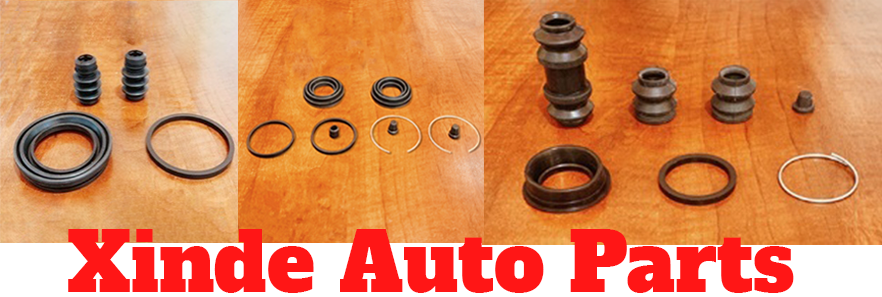
  • Braking Hydraulics (Piston & Seal Kits): Repeated heat cycles degrade EPDM caliper dust seals, leading to moisture intrusion, piston corrosion, and brake sticking. Rebuilding the caliper with new pistons and seal packs restores factory braking efficiency at a fraction of the cost.
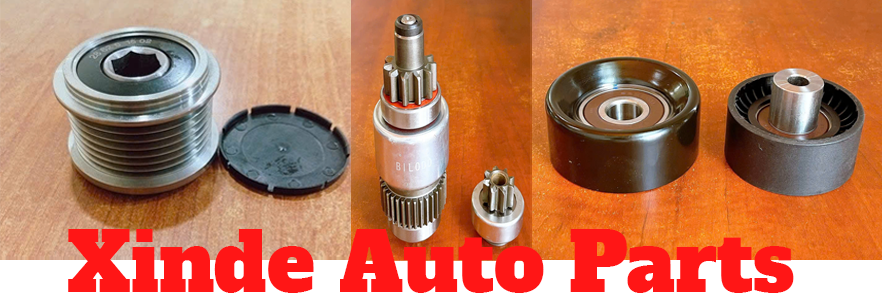
  • Front-End Auxiliary Drive (OAP & Tensioner Pulleys): Alternator decoupler clutches and belt tensioner bearings reach their engineered fatigue threshold, causing serpentine belt flutter, accessory noise, and potential battery charging failures.
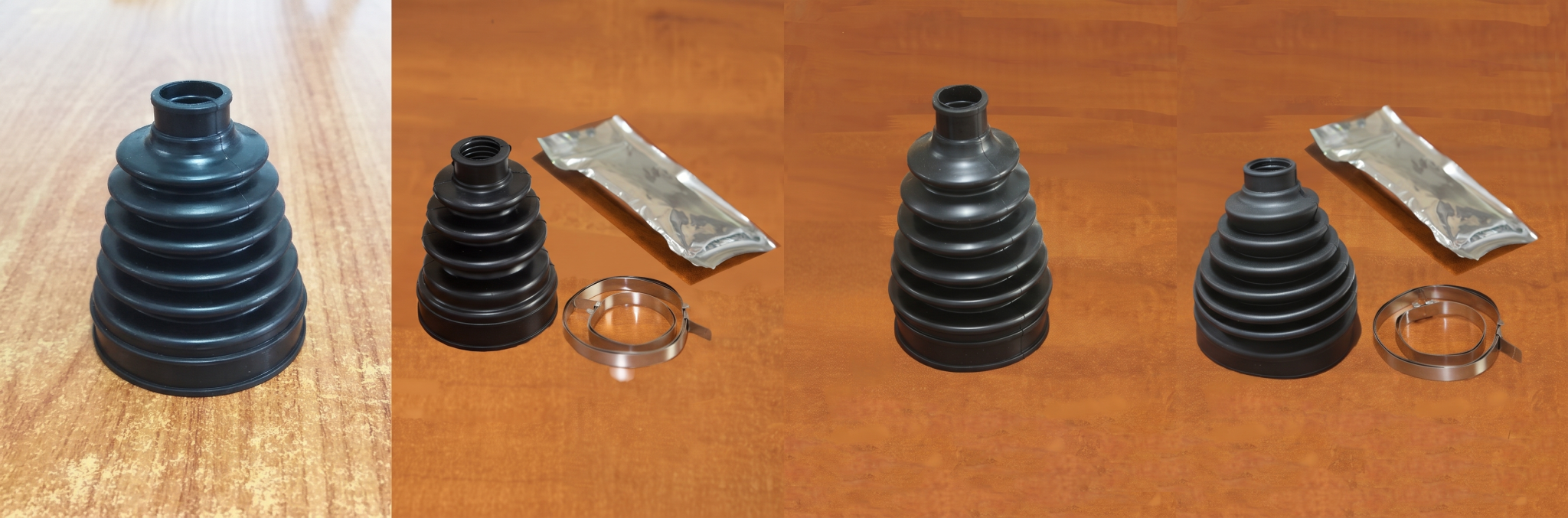
  • Chassis Protection (CV & Steering Boots): Road debris exposure and continuous rotational flexion induce micro-cracks in factory rubber boots. Replacing torn boots with high-grade CR/TPE boots before grease starvation saves the drive axle from total seizure.

3. Supply Chain Implications for Regional Importers and Wholesalers

For national and regional distributors, an aging vehicle fleet demands higher catalog breadth and immediate order fulfillment. Importers partnering with specialized Chinese component manufacturers gain distinct strategic advantages:

  • Insulation from New-Car Sales Volatility: While OEM Tier-1 suppliers suffer during economic downturns and high interest-rate environments, aftermarket wear component consumption remains counter-cyclical and recession-resilient.
  • High Profit Margins on Overhaul Kits: Individual replacement kits (such as caliper rebuild kits and boot kits complete with stainless steel clamps and moly grease) generate significantly higher percentage gross margins than generic commoditized parts.
  • Accurate Coverage for Legacy Vehicle Generations: Tier-1 European and Japanese factories frequently discontinue low-volume legacy parts. Specialized manufacturing setups in China bridge this gap by maintaining active production tooling for 10-to-25-year-old vehicle platforms.

Strategic Conclusion: Capitalizing on the Longevity Wave

The global aging fleet is not a temporary anomaly—it is a permanent demographic realignment of the automotive sector. Importers who align their procurement pipelines around high-turnover individual wear components and complete repair kit configurations will capture sustained market share and insulate their balance sheets against macro volatility.


  • Other articles