
Hotline
+86 19012975585
Hotline
+86 19012975585




In an era characterized by maritime freight volatility and heightened financing rates, global automotive spare parts importers face a critical operational challenge: How to balance broad vehicle make-model coverage without inflating warehouse carrying costs? Leading empirical investigations published in Q1 logistics and operations management journals (including the International Journal of Production Economics and Transportation Research Part E) demonstrate that shifting from rigid, monolithic assembly orders to a Multi-SKU Consolidated Component Sourcing Model directly mitigates the bullwhip effect and accelerates capital turnover for international distributors.
Supply chain distortion—the bullwhip effect—is particularly severe in the automotive aftermarket due to erratic demand patterns across thousands of disparate vehicle models.
Academic studies on freight transport efficiency confirm that maximizing shipping volumetric utilization directly lowers landed cost per SKU. Sourcing individual components from specialized Chinese manufacturing clusters offers distinct mathematical efficiencies:
| Procurement Metric | Complete Assemblies | Consolidated Component Kits |
|---|---|---|
| Freight Density (SKU/m³) | Low (Irregular bulky castings) | High (Compact engineered packaging) |
| Inventory Carrying Cost | 22% – 30% annually | Reduced by up to 40% |
| SKU Breadth per Container | Limited to 10–20 part numbers | Over 150+ compatible part numbers |
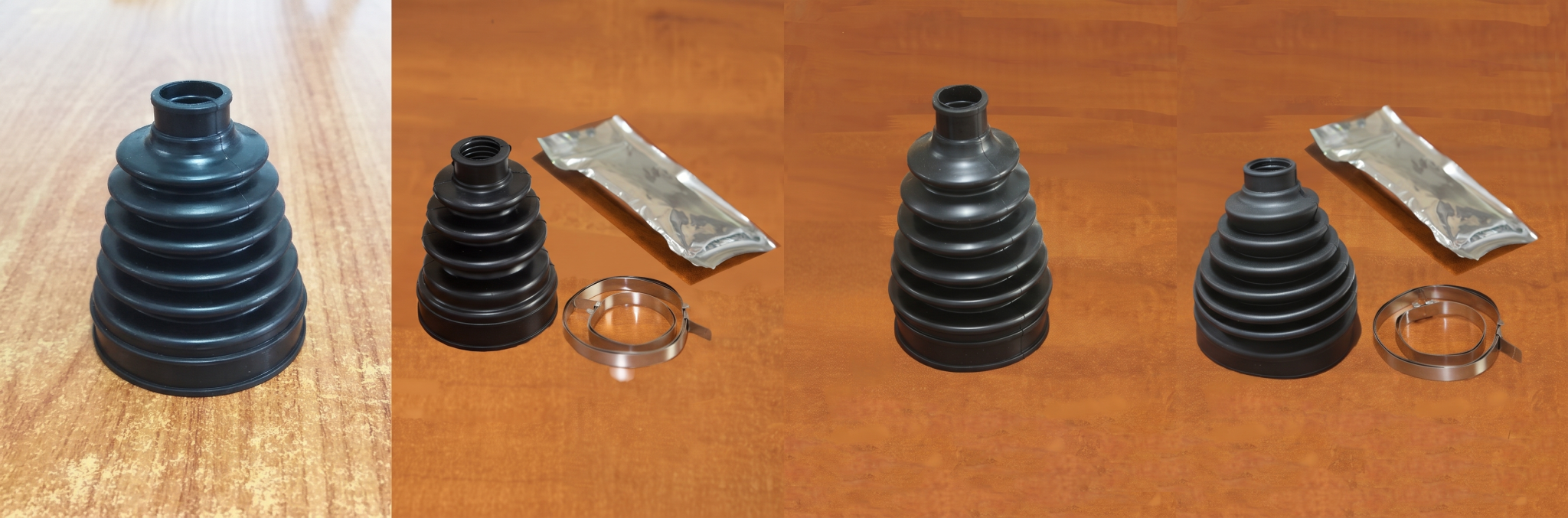
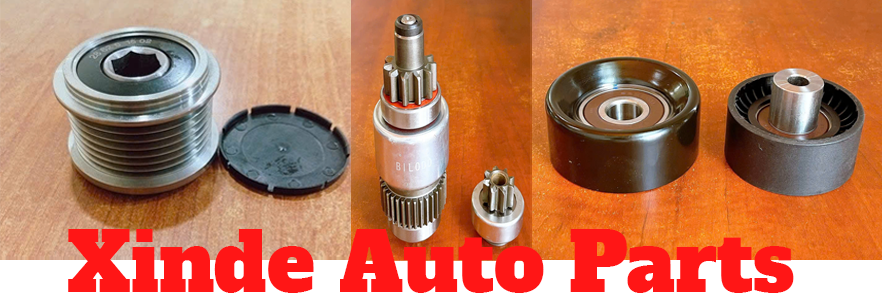
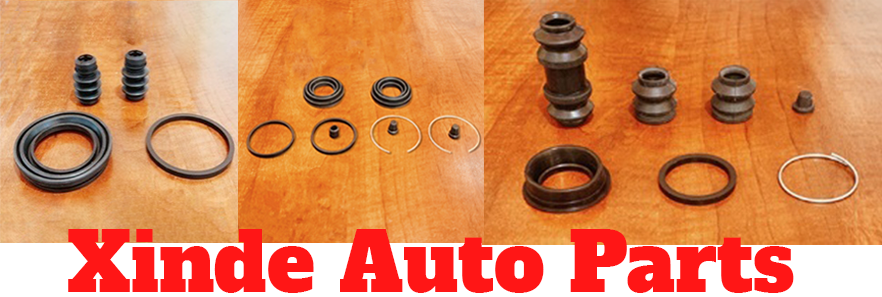
By consolidating rubber items (boots, bushings), hydraulic repair kits (caliper pistons, seal kits), and rotating components (OAP pulleys, starter drive gears) into a unified shipping bill of lading, overseas buyers optimize both customs brokerage fees and container load factors (CLF).
Industrial cluster theory frequently cited in international business reviews proves that geographic proximity to Tier-2 tooling, specialized vulcanization mills, and precision CNC grinding hubs yields unmatched cost-to-tolerance ratios.
In an uncertain global market, resilient supply chains win through adaptability and inventory agility. Sourcing precision individual replacement components from specialized China manufacturing lines empowers automotive distributors to minimize working capital, widen vehicle application coverage, and deliver exceptional value to regional repair networks.


 525 Guangming Industrial District, Ningbo, ZheJiang, China
 +86 19012975585
 autopartmadeinchina.com
