Engineering Precision: Material Science and Lab Testing Standards Behind High-Reliability Auto Replacement Components
Category: Metallurgy, Polymer Science & Quality Control • Standards: ISO/TS 16949, ASTM B117, DIN EN ISO 9227
Executive Summary
For international distributors and Tier-1 aftermarket brands, product reliability is not merely a marketing claim—it is a measurable engineering parameter. While the perception of automotive components sourced from China was historically driven by price competition, modern specialized manufacturing is strictly governed by rigorous material science and laboratory validation. Drawing from metallurgical and polymer degradation research in top-tier (Q1) materials journals (such as Wear and Polymer Testing), this whitepaper details the raw material specifications, surface treatment benchmarks, and multi-stage testing protocols deployed across our core product lines.
1. Elastomeric Engineering: High-Performance Rubber Compounds
Chassis and steering protection boots endure severe multi-axial flexing under extreme operating temperatures (-40°C to +120°C) while continuously exposed to road salts, ozone, and petroleum grease.
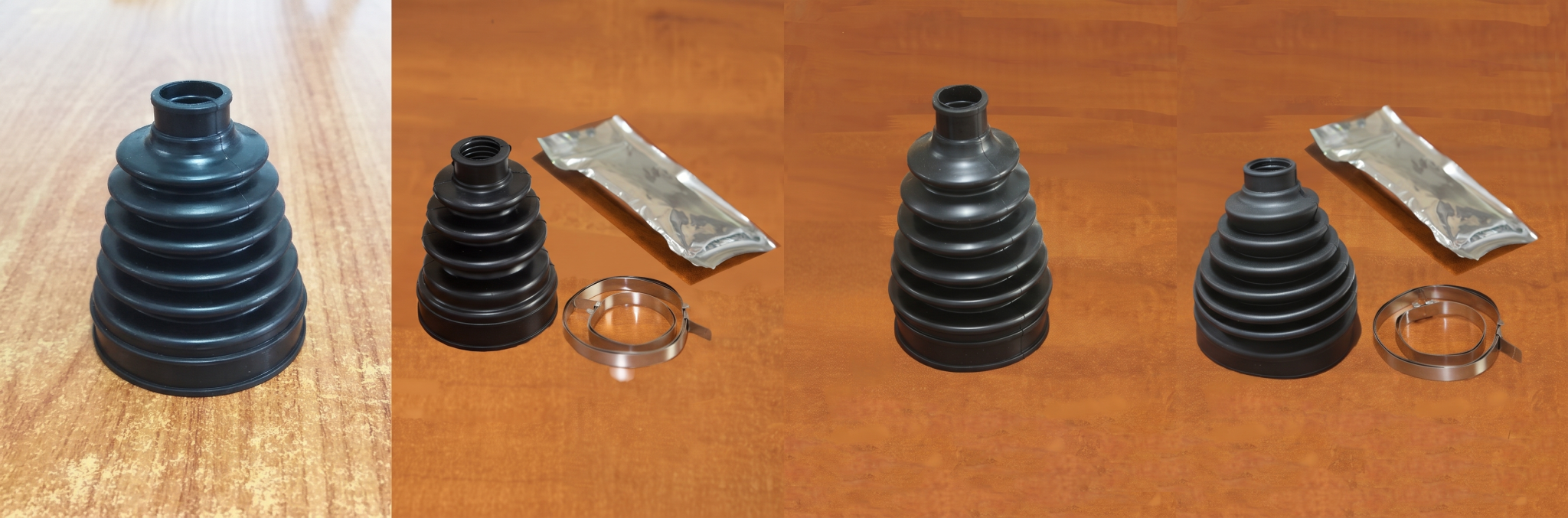
- Neoprene (CR) & Thermoplastic Elastomer (TPE) Formulations: Our CV Joint Boots and Steering Gear Boots are engineered using virgin CR and TPE compounds. In accelerated ASTM D1149 ozone testing (50 pphm at 40°C for 72 hours), our boots exhibit zero surface micro-fissures or embrittlement.
- High-Tensile Tensile and Tear Resistance: Dynamic tensile strength exceeds 18 MPa, with elongation at break rated over 450%, guaranteeing that rotating convolutions retain their geometric integrity under full steering lock and suspension compression.
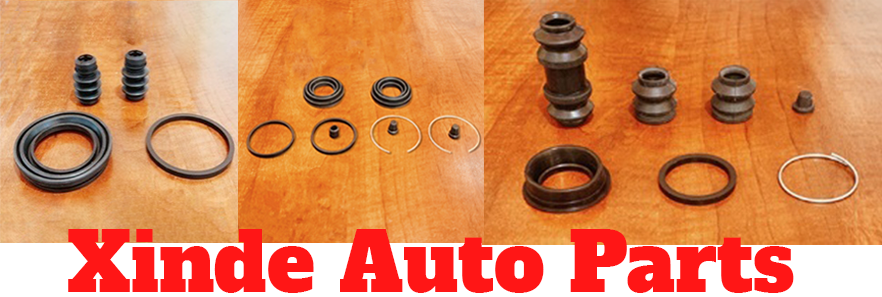
- DOT Fluid Compatibility: Our Brake Caliper Seal Kits strictly utilize sulfur-cured EPDM, validated against volume swell (<10%) and hardness changes under DOT 3, DOT 4, and DOT 5.1 hydraulic fluids per SAE J1601 standards.
2. Metallurgy & Tribology: Precision Machining and Surface Treatments
Hydraulic braking and engine drive systems require exceptional dimensional accuracy and resistance to friction wear.
- Micro-Crack Hard Chrome Plating: Our Brake Caliper Pistons are machined from precision cold-drawn steel or lightweight phenolic composites. Steel pistons feature a minimum 20 μm hard chrome deposition with controlled micro-crack structure for superior lubricant retention. They routinely surpass 120 hours in Neutral Salt Spray (NSS) testing (ASTM B117) with zero pitting.
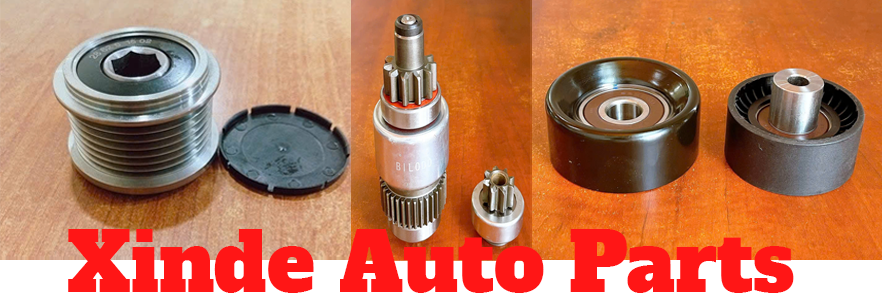
- Induction Hardening & Case Depth: Brake Caliper Pin Kits and Starter Drive Gears (Bendix) undergo high-frequency induction hardening, achieving core ductility with surface hardness up to HRC 58–62, resisting severe cyclical impact loads.
- Dynamic Clutch Balancing: Our Overrunning Alternator Pulleys (OAP) and Tensioner Pulleys integrate premium needle roller clutch bearings sealed with high-temperature polyurea synthetic grease, validated to endure sustained 18,000 RPM alternator speeds without slip or seizure.
3. Rubber-to-Metal Vulcanization & Fatigue Life
Premature bushing failure typically stems from adhesive breakdown between the metal inner sleeve and the rubber damper.
Control Arm Bushing Lab Benchmark:
- Chemical Bonding System: Dual-layer Chemlok adhesive application with automated surface sandblasting to Sa 2.5 cleanliness.
- Radial & Torsional Fatigue: Validated through dynamic multi-axis fatigue testing exceeding 500,000 cycles under simulated high-load road vibration without delamination.
- Durometer Consistency: Strictly controlled Shore A hardness (60° ± 5°) calibrated to OE ride comfort and steering response specifications.
Quality Assurance: Zero-Defect Shipment Philosophy
Every production lot is subjected to Coordinate Measuring Machine (CMM) dimensional verification, batch metallurgy inspections, and packaging integrity audits. By establishing direct factory laboratory traceability, we ensure overseas importers receive consistent, premium-grade replacement components that safeguard their brand reputation in highly competitive local markets.
Technical Inspection Reports Available Upon Request:
- Full Chemical & Tensile Test Certificates (3.1 Inspection Certificates)
- Neutral Salt Spray (NSS) Corrosion Test Documentation
- Dynamic Endurance & Torsional Fatigue Test Curves
Request Technical Datasheets:
Contact our engineering and quality compliance team for complete drawing specifications, material safety datasheets (MSDS), and custom testing protocols tailored to your market's regulatory standards.