
Hotline
+86 19012975585
Hotline
+86 19012975585


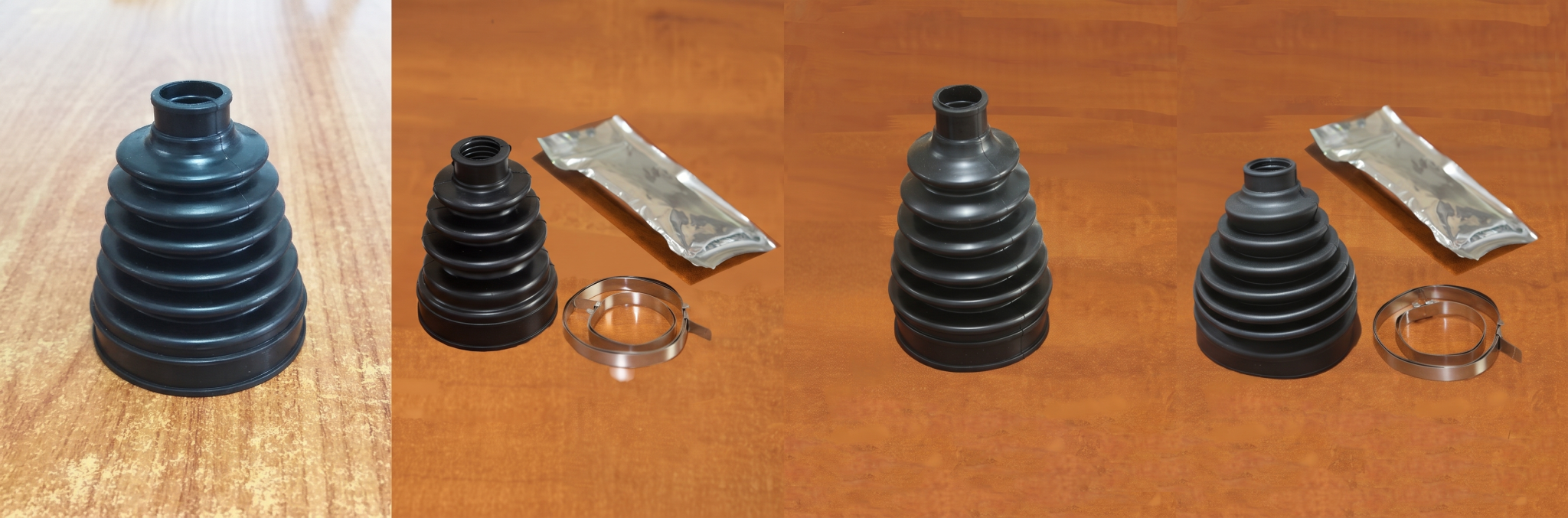
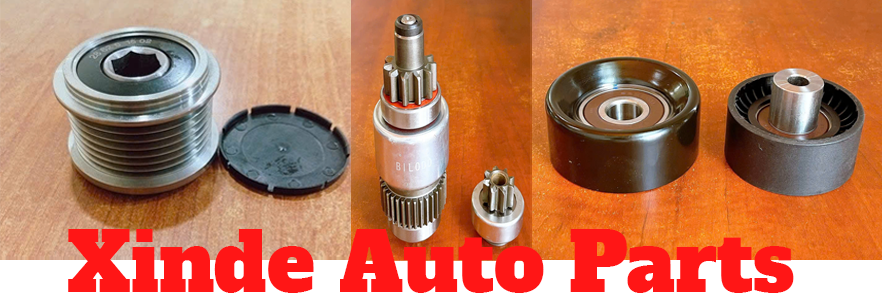

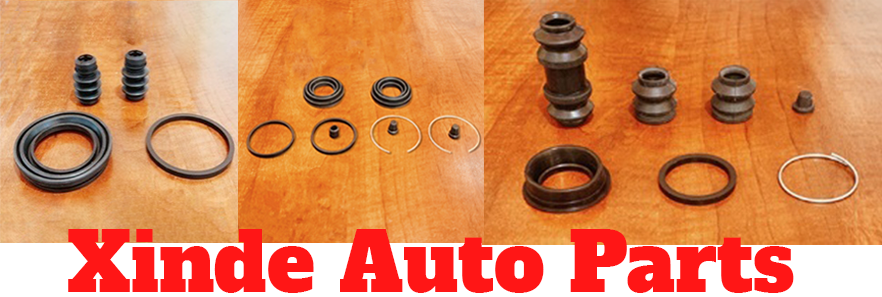

In cross-border automotive aftermarket distribution, physical component quality is only half the battle. Authoritative supply chain investigations published in Q1 industrial informatics journals (including Computers in Industry and the International Journal of Information Management) reveal a startling operational metric: over 42% of cross-border Return Merchandise Authorizations (RMA) are caused not by mechanical defects, but by inaccurate fitment mapping and catalog cross-reference errors. For global importers, partnering with specialized Chinese manufacturers that actively integrate European TecDoc and North American Auto Care (ACES/PIES) data standards is essential to securing frictionless downstream inventory flow.
When an overseas workshop orders an individual replacement item (such as a Brake Caliper Pin Kit, an Alternator Pulley (OAP), or a CV Joint Boot) and discovers a 1-millimeter dimensional variation upon installation, the entire logistics chain collapses:
Global buyers operate across divergent cataloging infrastructures. A world-class export manufacturer must natively support both primary global data frameworks:
| Data Dimension | European Standard (TecDoc) | North American Standard (ACES & PIES) |
|---|---|---|
| Fitment Logic | Vehicle KType / KBA linkage with exact engine codes. | ACES: Base Vehicle ID (Year, Make, Model, Submodel, Engine). |
| Product Attribution | Standardized Generic Article Numbers and criteria tables. | PIES: Standardized packaging, weights, dimensions, and barcodes. |
| Distributor Advantage | Immediate 1-click publishing into wholesale ERPs. | Direct onboarding into major automotive marketplace feeds. |
Eliminating catalog discrepancies requires tight synchronization between physical engineering tools and digital database maintenance:
In an e-commerce-driven aftermarket, clean fitment data is just as critical as manufacturing tolerance. Sourcing from a factory that provides pre-validated, standardized cross-reference files empowers distributors to list thousands of new SKUs instantly, cut customer service inquiries, and maintain an industry-leading return rate of below 0.3%.


 525 Guangming Industrial District, Ningbo, ZheJiang, China
 +86 19012975585
 autopartmadeinchina.com
